

by William Faucett
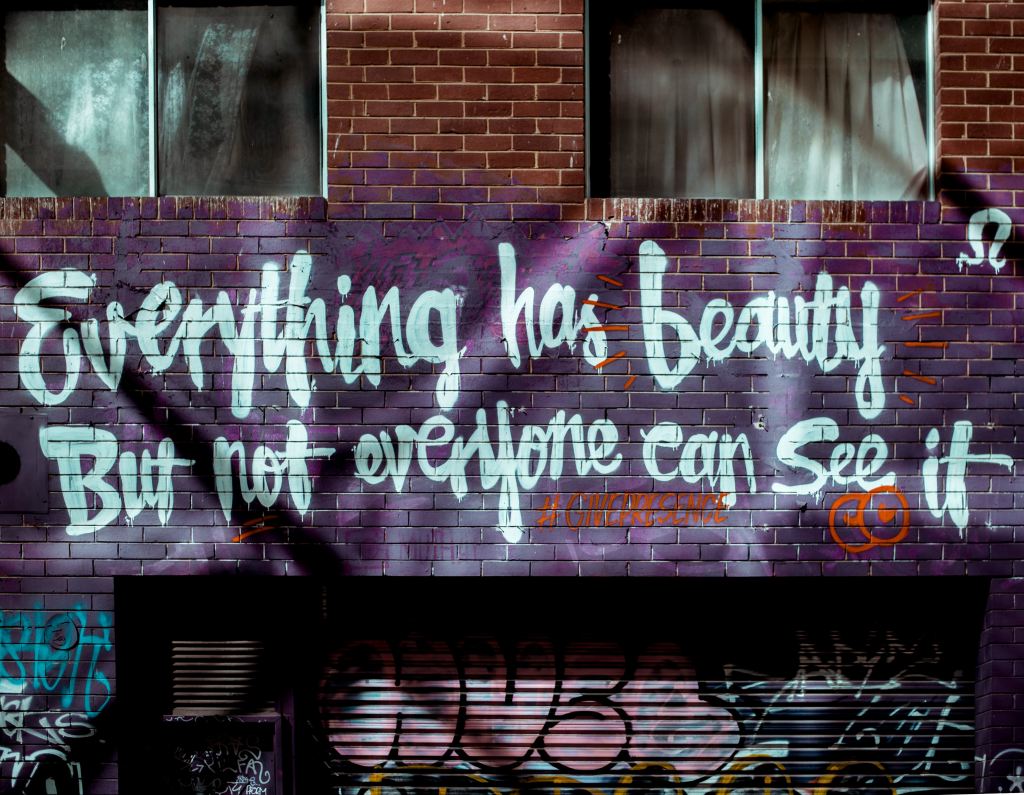
Photo by Annie Spratt on Unsplash
When you look at a painting, what do you see? Obviously, you see the object, but what is it about the art that really draws you in?
It is easy to be blown away by the majesty of The Sistine Chapel. Michelangelo painstakingly tells the story of the creation of man in a grandeur fashion. The beauty and the impossibility of its size are dumbfounding, and the skill of the artist, who was a sculptor by trade, is undeniable.
The first time you laid eyes on the Mona Lisa, you probably weren’t blown away by the majesty of it all. Yes, her creator, Leonardo Da Vinci, was an all-time artist and inventor, but did you ever stop and wonder why so many faces travel the world just to look back at her? Did anything on her canvas make it clear that she deserved to be one of the most famous pieces of art in the modern world, that she was a spectacle?
Mona Lisa’s fame can be credited to Vincenzo Perugia, a proud Italian immigrant to France. On a Monday morning in 1911, Perugia, a protective glass case installer by trade, and two other Italian men rescued the Mona Lisa out of the Louvre where she was being shown by her French captors. Perugia planned the Mona Lisa to her mother country and earn a sizable chunk of money for her safe passage home. It would have been a win-win.
Unfortunately for Perugia, the theft ended up making headline world news, and the Mona Lisa became nearly unsellable. Even the Florentine art dealer to whom Perugia attempted to sell her acted on behalf of the law. Unbeknownst to Perugia, the truth was that the Mona Lisa was not being held against her will in France. See, Leonardo Da Vinci lived out his final years as the “Premier Painter and Engineer and Architect of the King” in Paris, and he brought his favorite subject, the Mona Lisa, along with him. She was sold to Francis I, then King of France, by Da Vinci’s assistant after Da Vinci’s death. The Mona Lisa was eventually safely returned to her home in France with newfound celebrity status. It’s the theft of the Mona Lisa, not the object of her, that propelled her to the household name status she is yet to relinquish.
So, did you know that? Do you think that every one of the thousands of her viewers, many of whom travel to France just to catch a glimpse of her, already know that story?
I believe that this is how the United States watches football—with a callous glance. Football is the king of live entertainment in the US, but most of us show up for the spectacle. Hail Marys are the Sistine Chapels of the football field, the big hits are the Guernicas, and every snap along the way was but a building preamble for the grand finale.
If you try any of the things that football players are tasked to do on the field, you might find that even the simplest things are very difficult. They require attention to detail that doesn’t always meet the eye, and players must practice with the diligence of a stage musician. It isn’t enough to practice until they get it right; they must practice until they can’t get it wrong. Nobody cares about a violinist’s perfect rehearsal or a quarterback’s flawless 7-on-7 drill on Wednesday. There is only one day when the result truly matters, and that’s the art of performance. Each football play is the culmination of 22 simultaneous performances, 22 lives spent spilling sweat and blood for the benefit of someone other than themselves.
To the untrained eye, a piece of art is just a piece of art, a play is just a play, and a football game is just a football game. But, if you are willing or inspired enough to look a little closer, their stories are as rich and complex as the people behind the face masks.
“…and though we may not have had the background, or the education, to cry at Prince Hamlet’s death, we had all tried enough times to pass and kick a ball, we had on our separate rock strewn sandlots taken enough lumps and bruises, to know that we were viewing something truly fine, something that comes with years of toil, something very like art.”
– Frederick Exley, excerpt from A Fan’s Notes

William “Billy” Faucett is a senior at Florida State University where he majors in Editing, Writing, and Media. He is an editorial assistant for the nonfiction section of The Kudzu Review. He loves college and pro football, the NFL Draft, big cups of coffee, and using too many commas. He is a former viola player and a current guitar player. You’re most likely to find him on a golf course or defending Jameis Winston on the internet.
Want to read more? Check out our latest blog posts below!



 The Kudzu Review
Leave a comment